dielawn.com
Dylan Smith
Brands · Agents · Machine shop
Move across the lattice · open a nodeTap a node to open
Node 01 · Eleven projects, all live
Work
Three consumer brands I own and run, and the software built from inside them: Shopify apps, MCP servers, AI products on the Claude API, open-source laser tooling, and a Windows desktop app. Nothing here is a demo. Open a project for the brief.
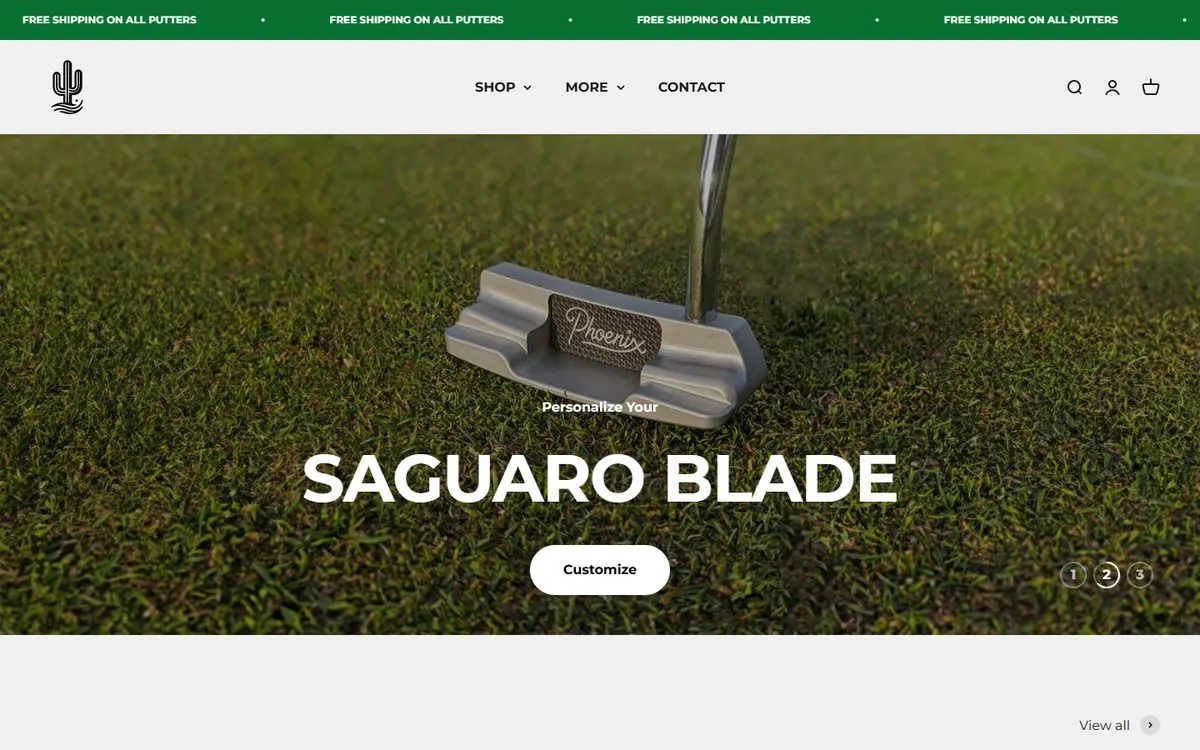
 OpenPhoenix Putter Co.Custom-milled 303 stainless putters and golf accessories, made in-house.
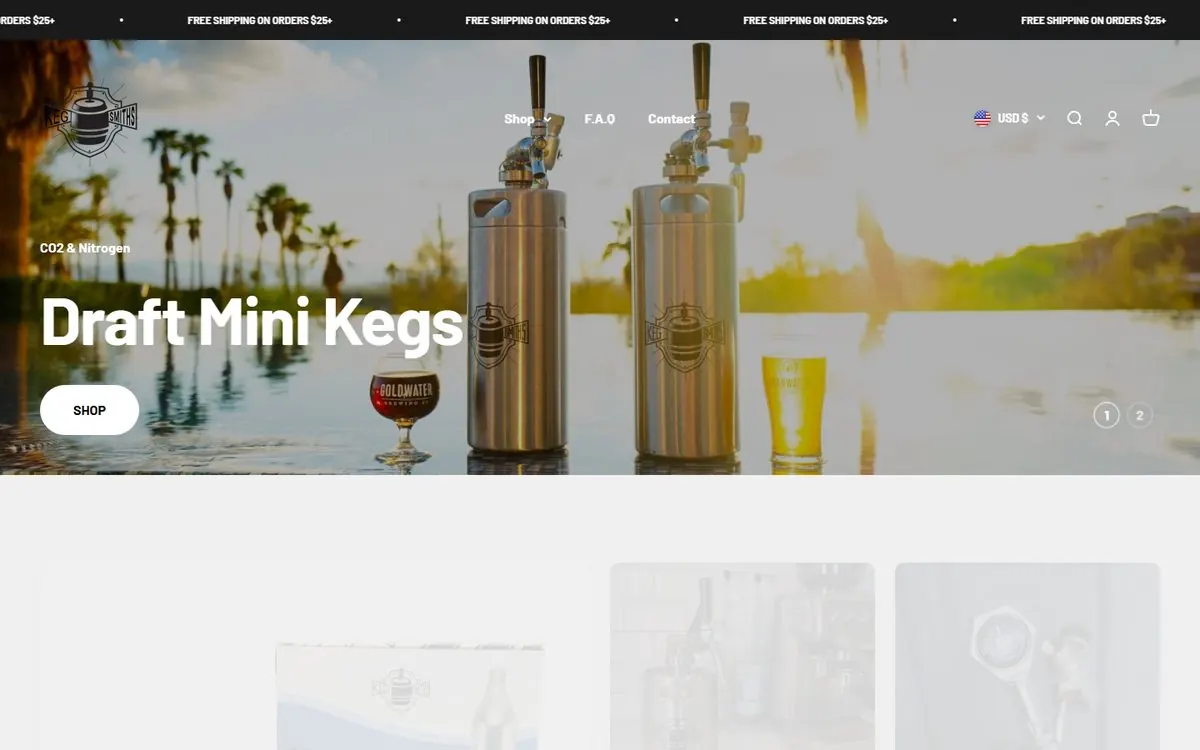
 OpenKegsmithsPortable CO2 and nitrogen draft systems. Storefront rebuilt for SEO and AI-agent readiness.
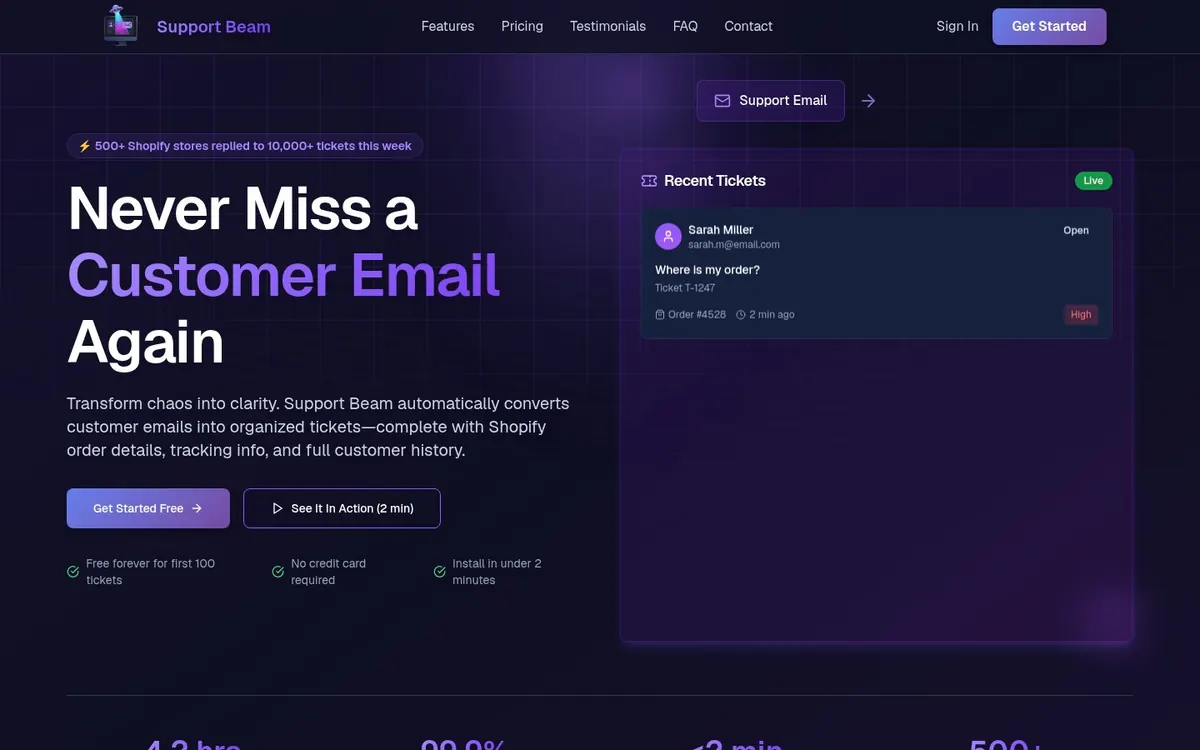
 OpenSupport BeamMulti-tenant AI support SaaS on the Claude API.
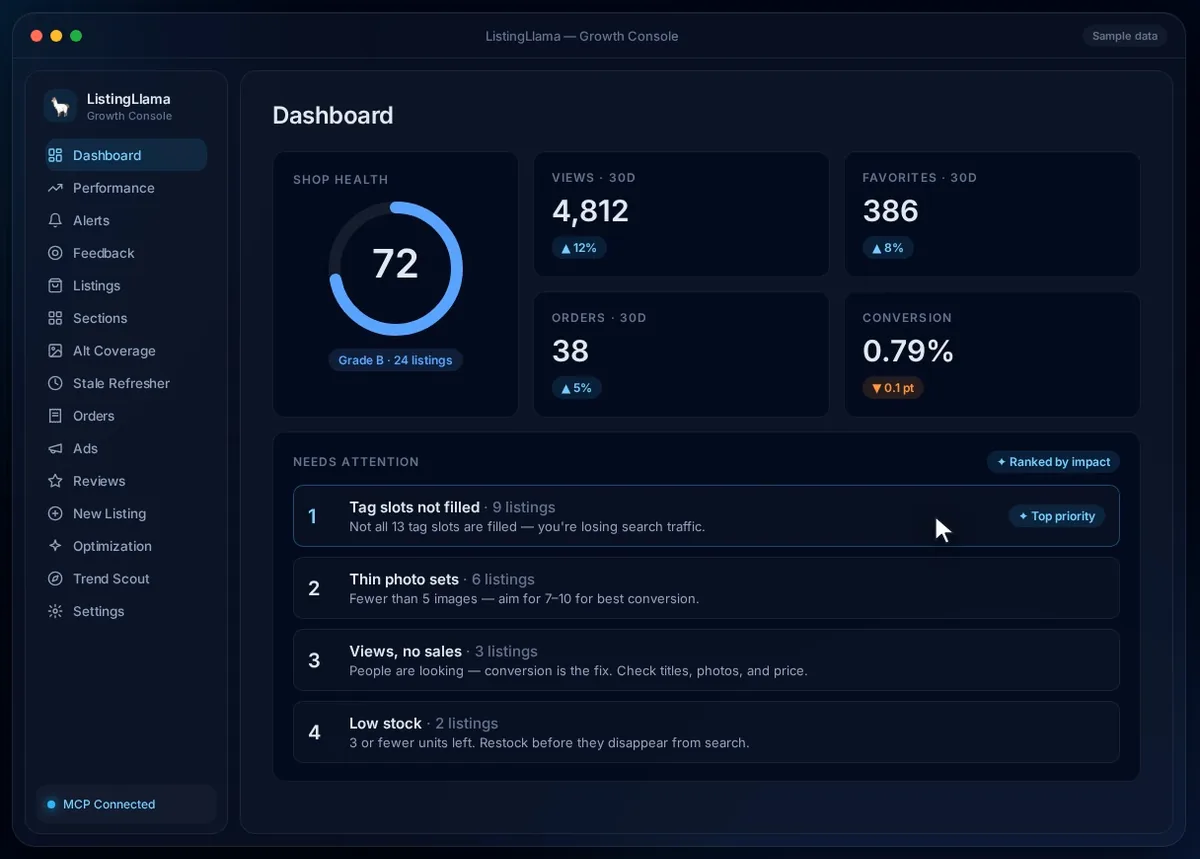
 OpenListing LlamaEtsy listing app: lifestyle images, tags, image-to-video.
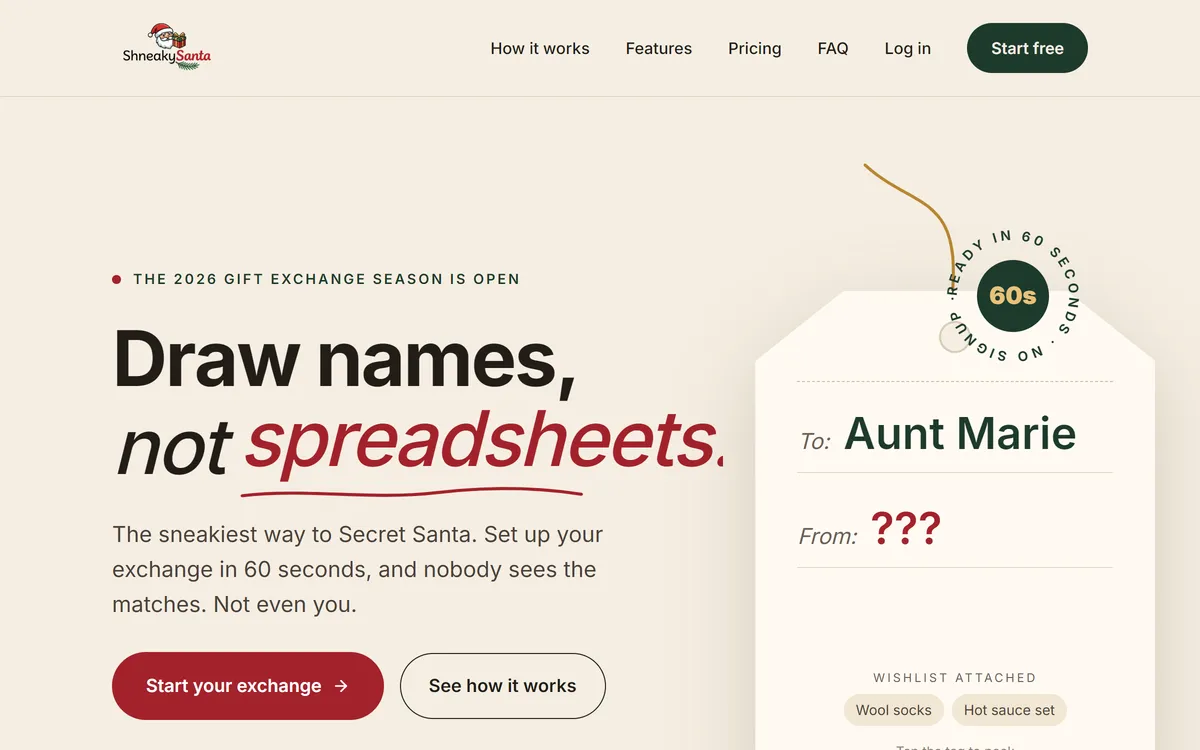
 OpenShneaky SantaLive Secret Santa app. Draw names, not spreadsheets.
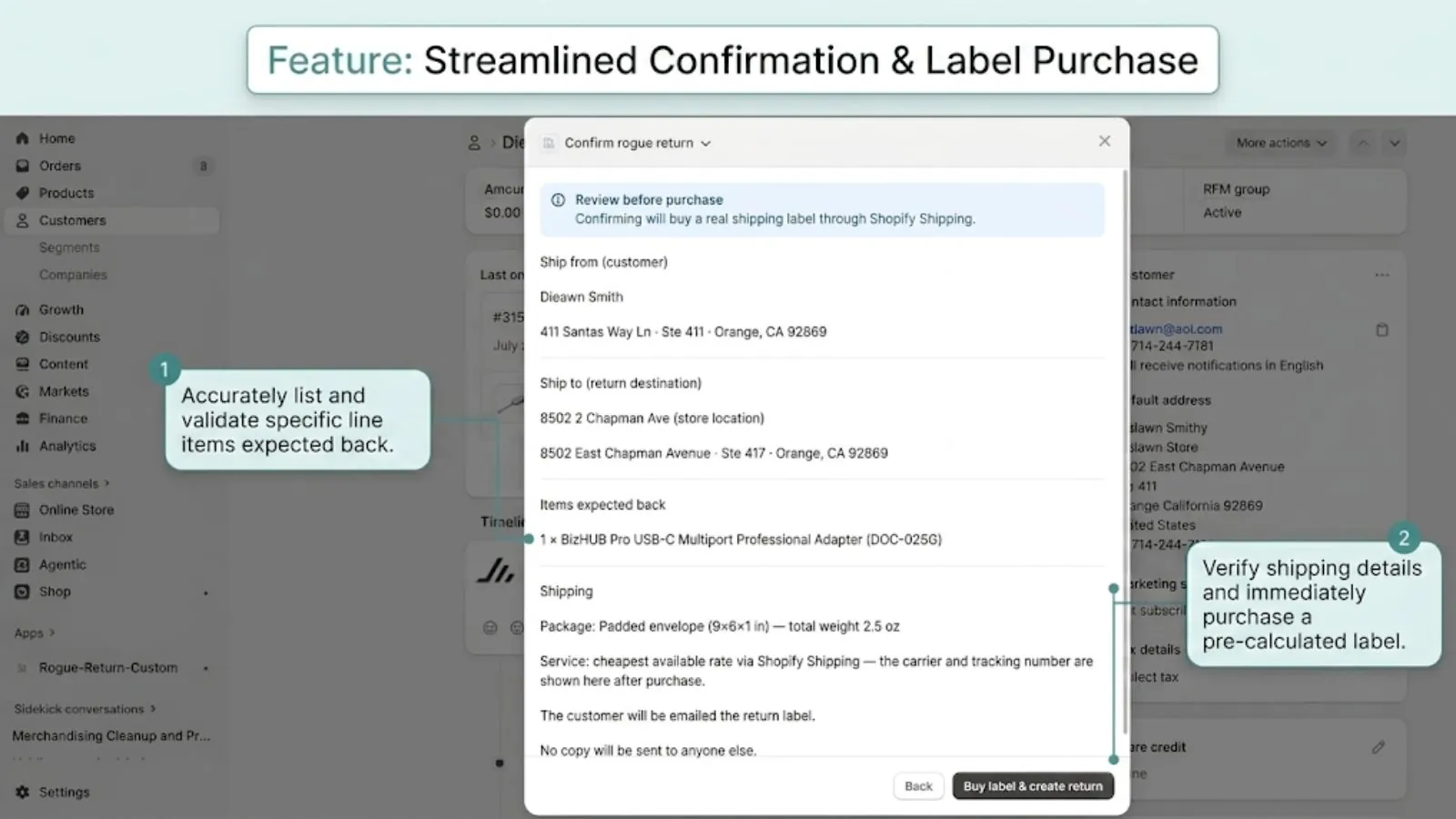
 OpenRogue ReturnShopify app for standalone return labels.
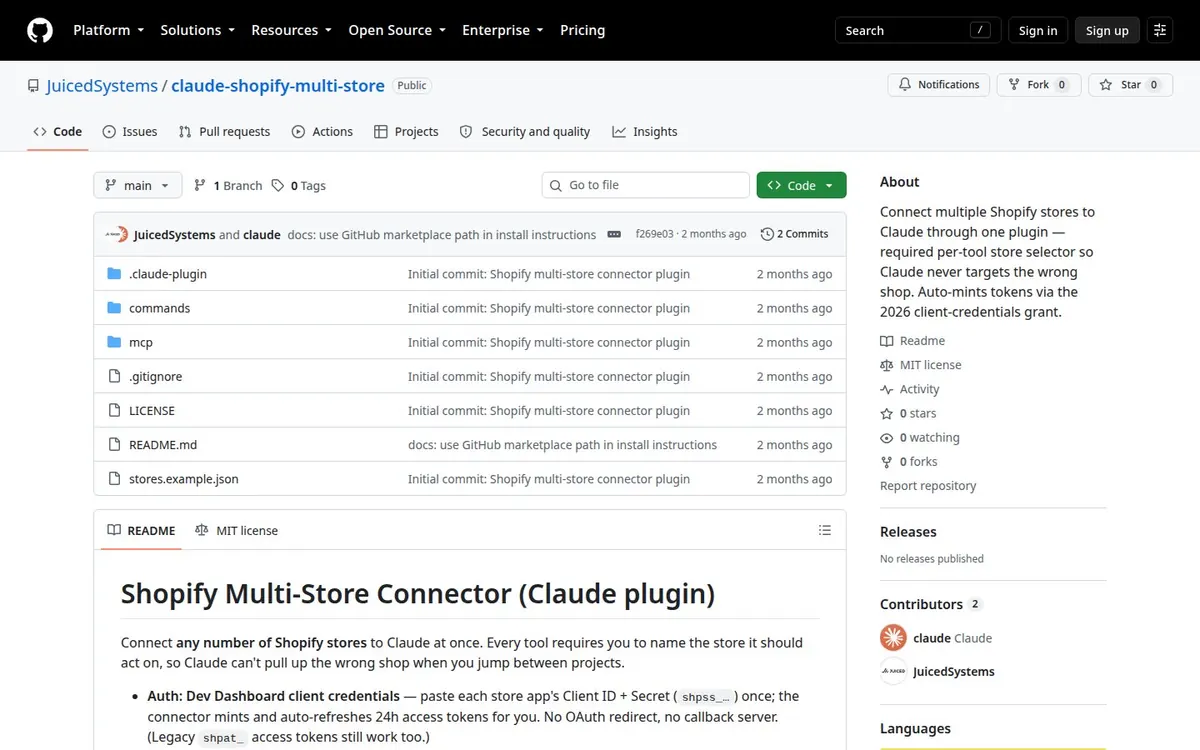
 OpenShopify Multi-Store ConnectorPublic GitHub MCP repo / Claude plugin.
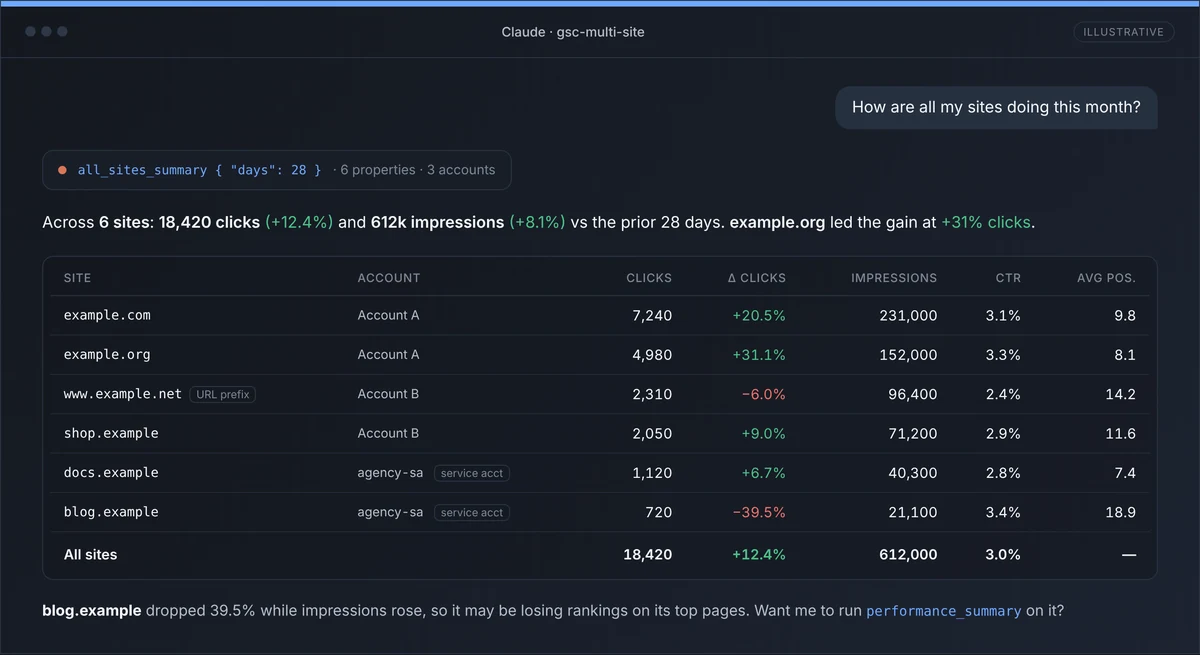
 OpenSearch Console Multi-Site ConnectorClaude plugin: every Google account and every Search Console property through one connector.
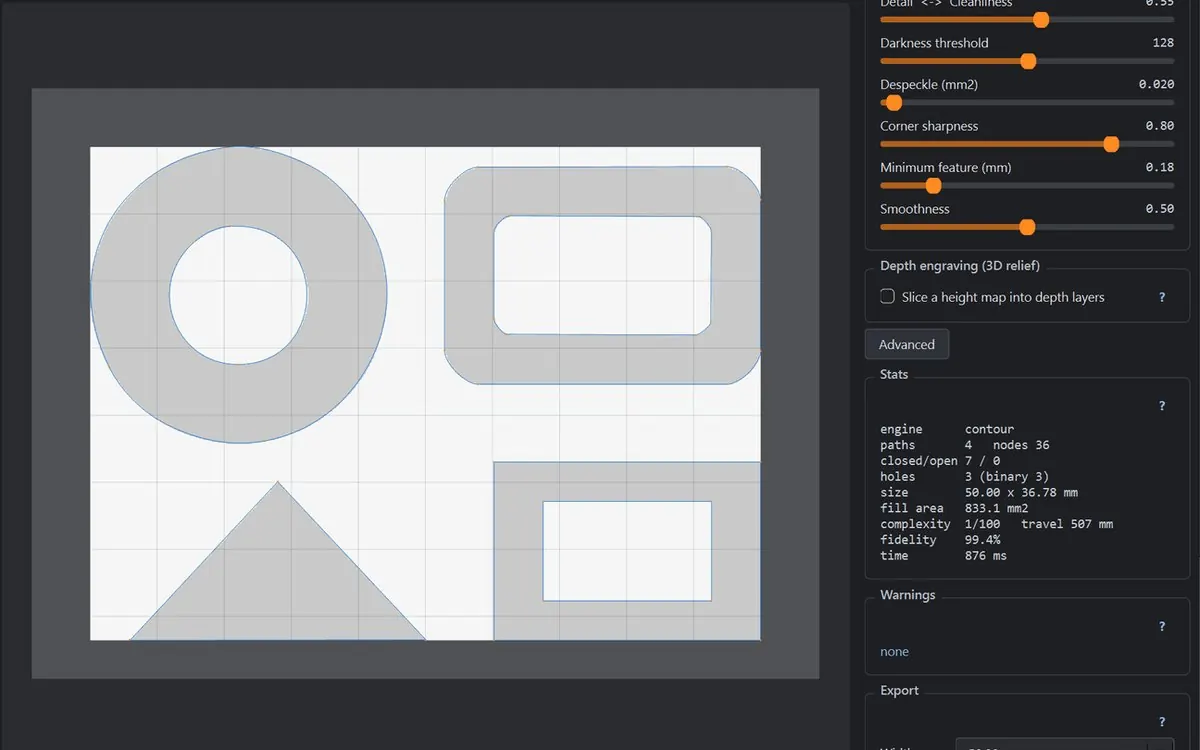
 OpenLaserTrace ProOpen-source vectorizer: paste a messy logo, get a DXF that EZCAD fills cleanly.
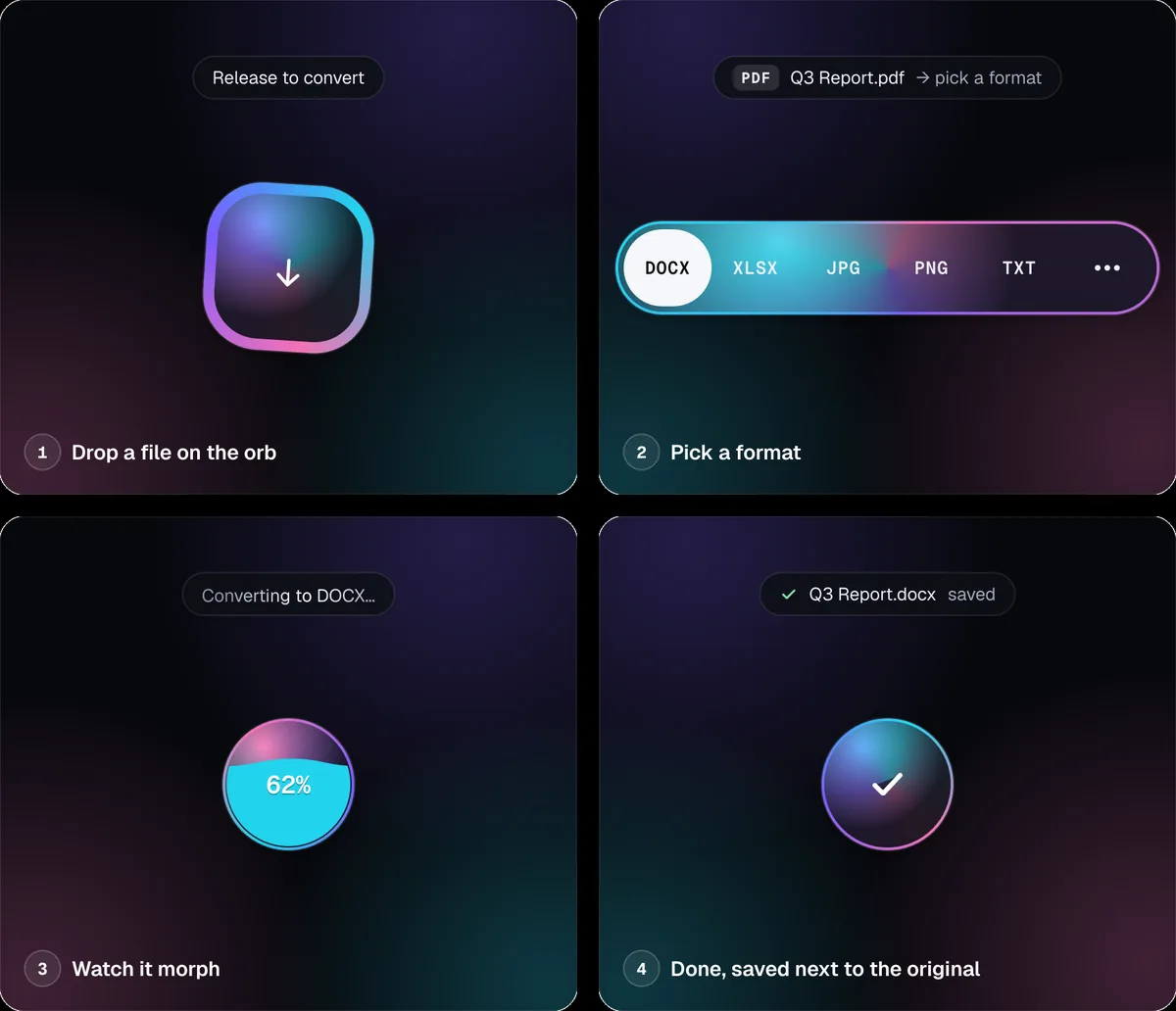
 OpenFileMorphOffline file converter for Windows: drop a file on the orb, pick a format, done.
 Open
- 3 brands
- Shopify apps
- MCP
- Claude API
- Open source
- Windows app
Work · GitHub MCP repo
Search Console Multi-Site Connector
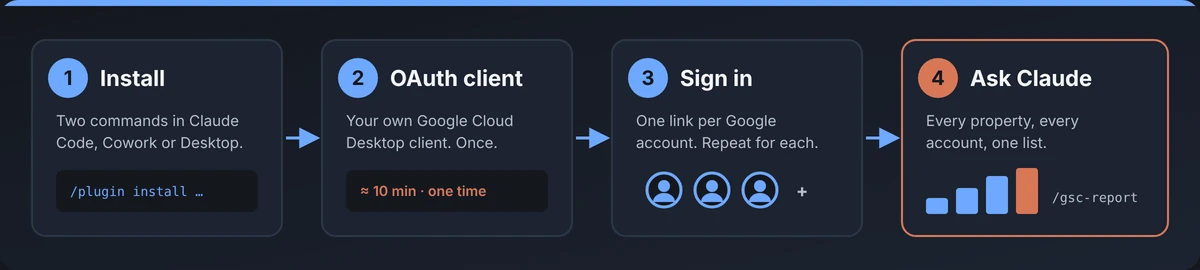
A public GitHub repo and Claude plugin that connects any number of Google accounts, and every Search Console property they can see, through one connector. The standard setup ties Claude to one Google account at a time, so comparing sites that live under different logins meant disconnecting one account to connect the next. This merges them all into a single property list Claude can query side by side, and answers “how are all my sites doing?” in one call.
It uses the same guardrail as the Shopify Multi-Store Connector: every site tool has a required “site” argument whose JSON-schema enum is the discovered property list, so Claude can't skip naming a site or invent one, and connecting an account rewrites that list live. A property visible to several accounts is listed once and read through the highest permission, and URL-prefix properties inside a connected Domain property are hidden automatically, so all-sites totals never count the same click twice.
Sign-in happens from chat: Claude returns a Google link, you approve it, and the account is saved (OAuth with PKCE and a one-shot local listener, with a paste-the-URL fallback when the browser is on another machine). Service accounts cover client sites you can't sign into. Accounts connect read-only by default; sitemap submit and delete are opt-in per account.
Nothing is hosted. It's plain Node 18+ with zero dependencies, credentials stay in a local config file, there's no telemetry, and each user brings their own Google OAuth client, so their data stays between them and Google. CI runs an end-to-end test against a local mock of Google on Node 18, 20 and 22. What this demonstrates: designing the tool schema so an agent can't make the costly mistake, applied to a second platform, and shipped as something other people can install without trusting a server I run.
- GitHub
- MCP
- Claude plugin
- Search Console
- OAuth
- Node.js