dielawn.com
Dylan Smith
Brands · Agents · Machine shop
Move across the lattice · open a nodeTap a node to open
Node 01 · Nine projects, all live
Work
Three consumer brands I own and run, and the software built from inside them: Shopify apps, MCP servers, AI products on the Claude API, and open-source laser tooling. Nothing here is a demo. Open a project for the brief.
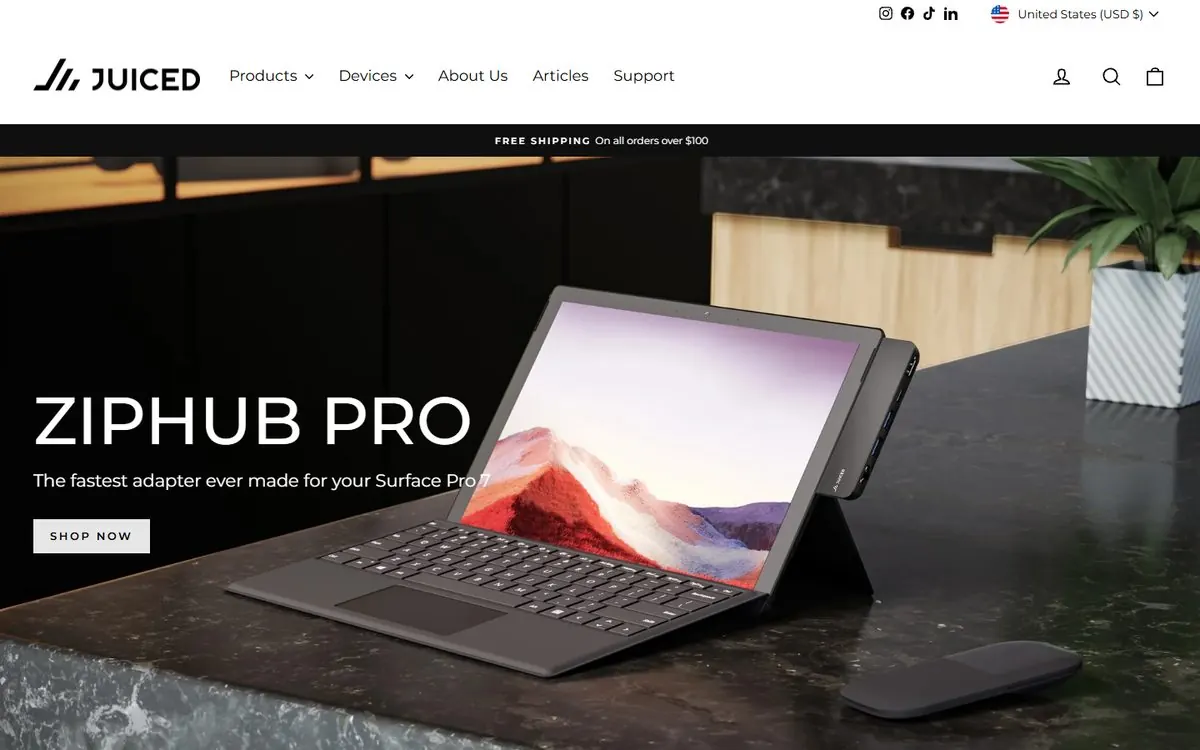 OpenPhoenix Putter Co.Custom-milled 303 stainless putters and golf accessories, made in-house.
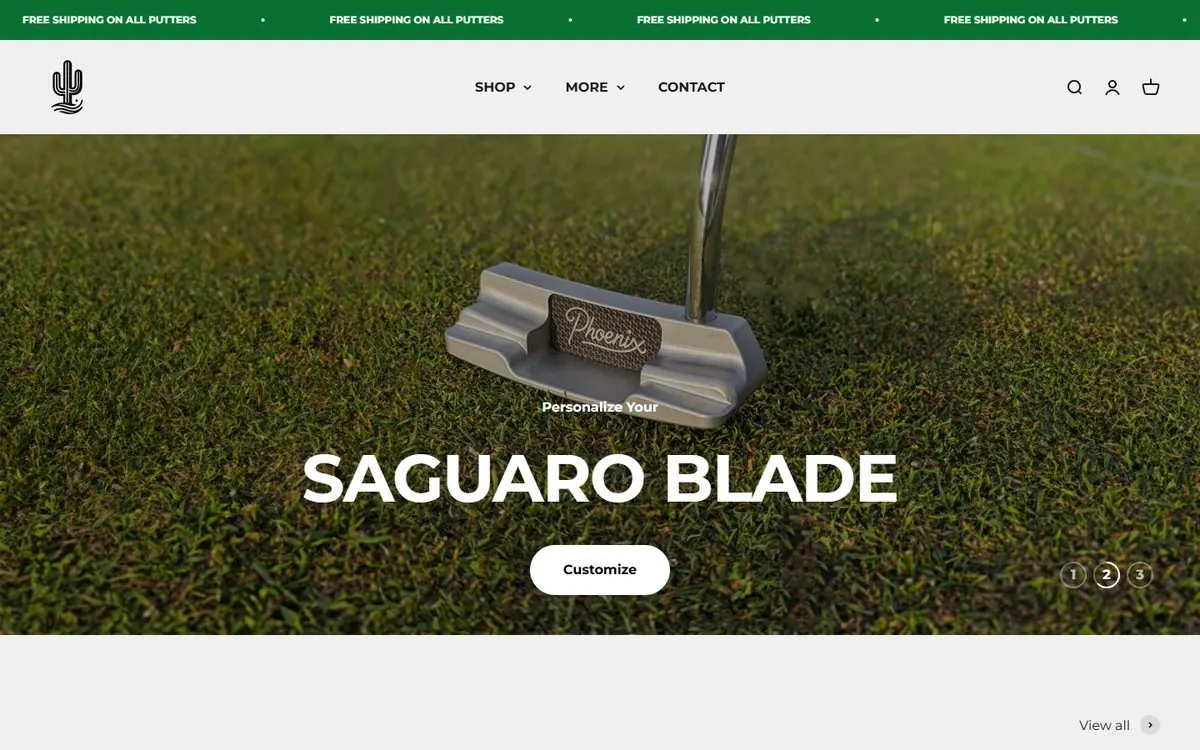 OpenKegsmithsPortable CO2 and nitrogen draft systems. Storefront rebuilt for SEO and AI-agent readiness.
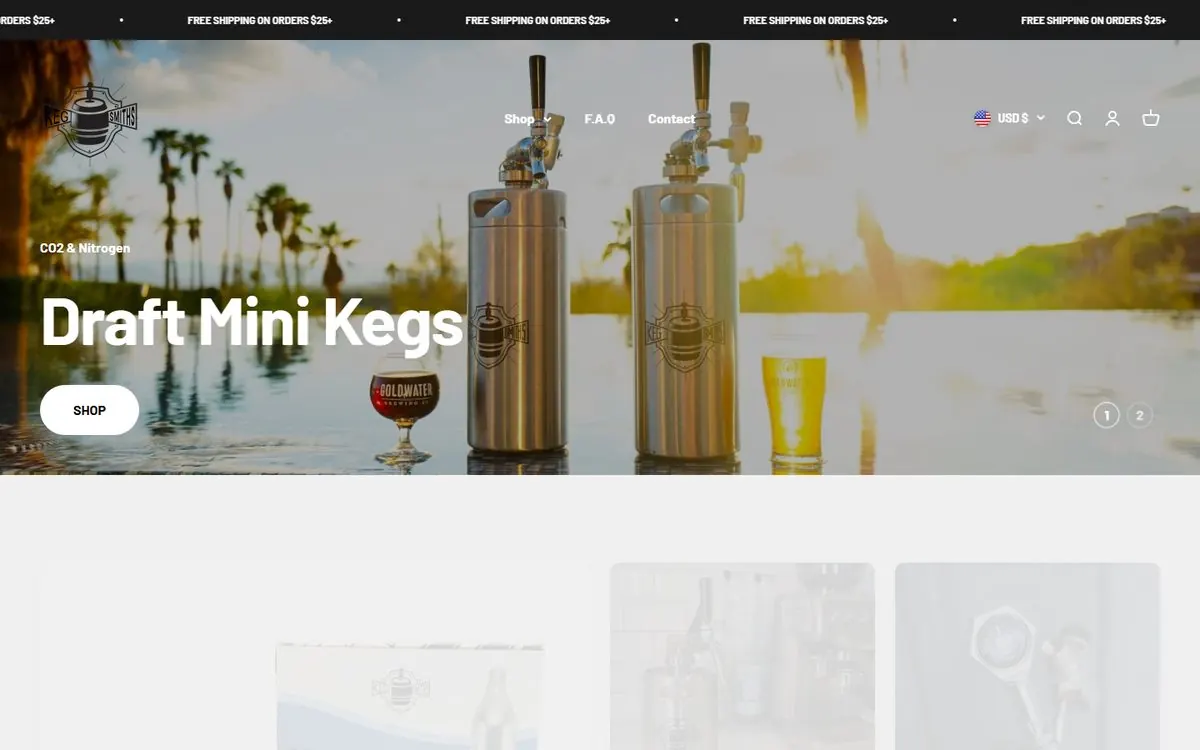 OpenSupport BeamMulti-tenant AI support SaaS on the Claude API.
 OpenListing LlamaEtsy listing app: lifestyle images, tags, image-to-video.
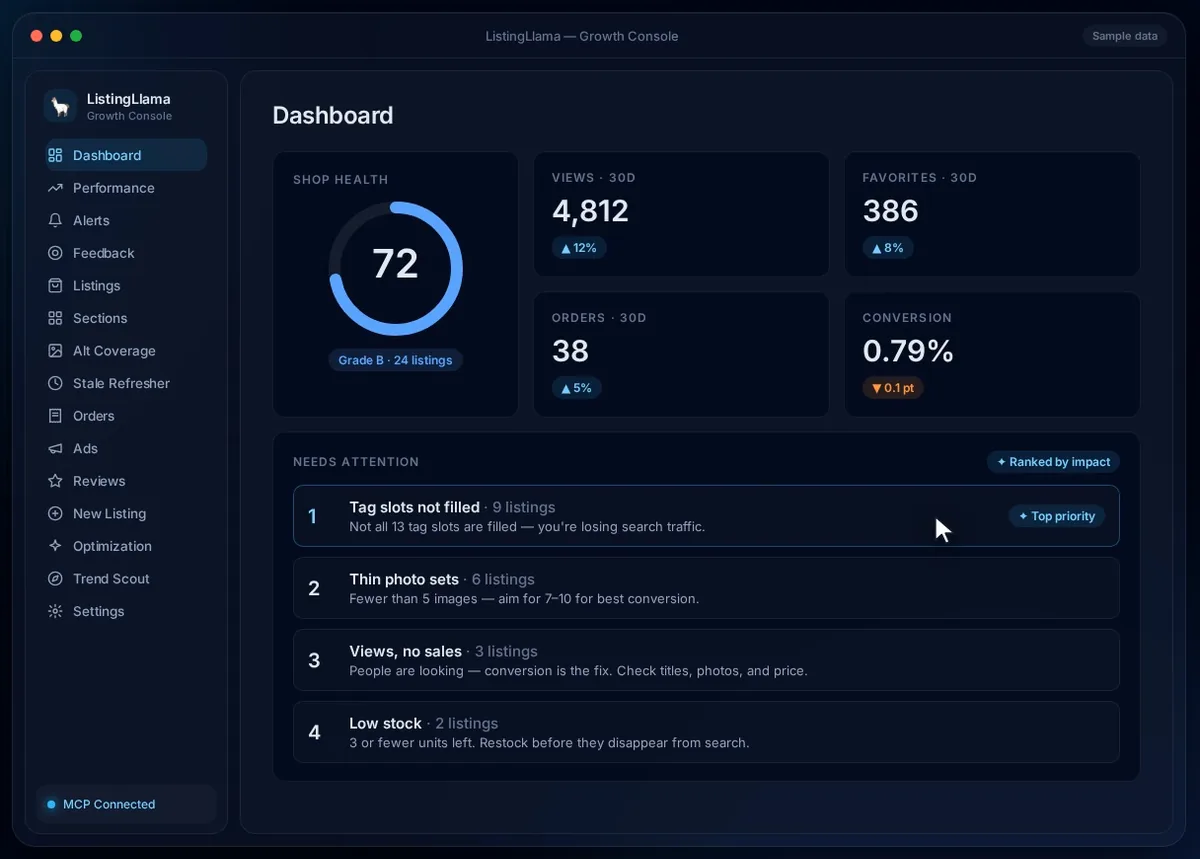 OpenShneaky SantaLive Secret Santa app. Draw names, not spreadsheets.
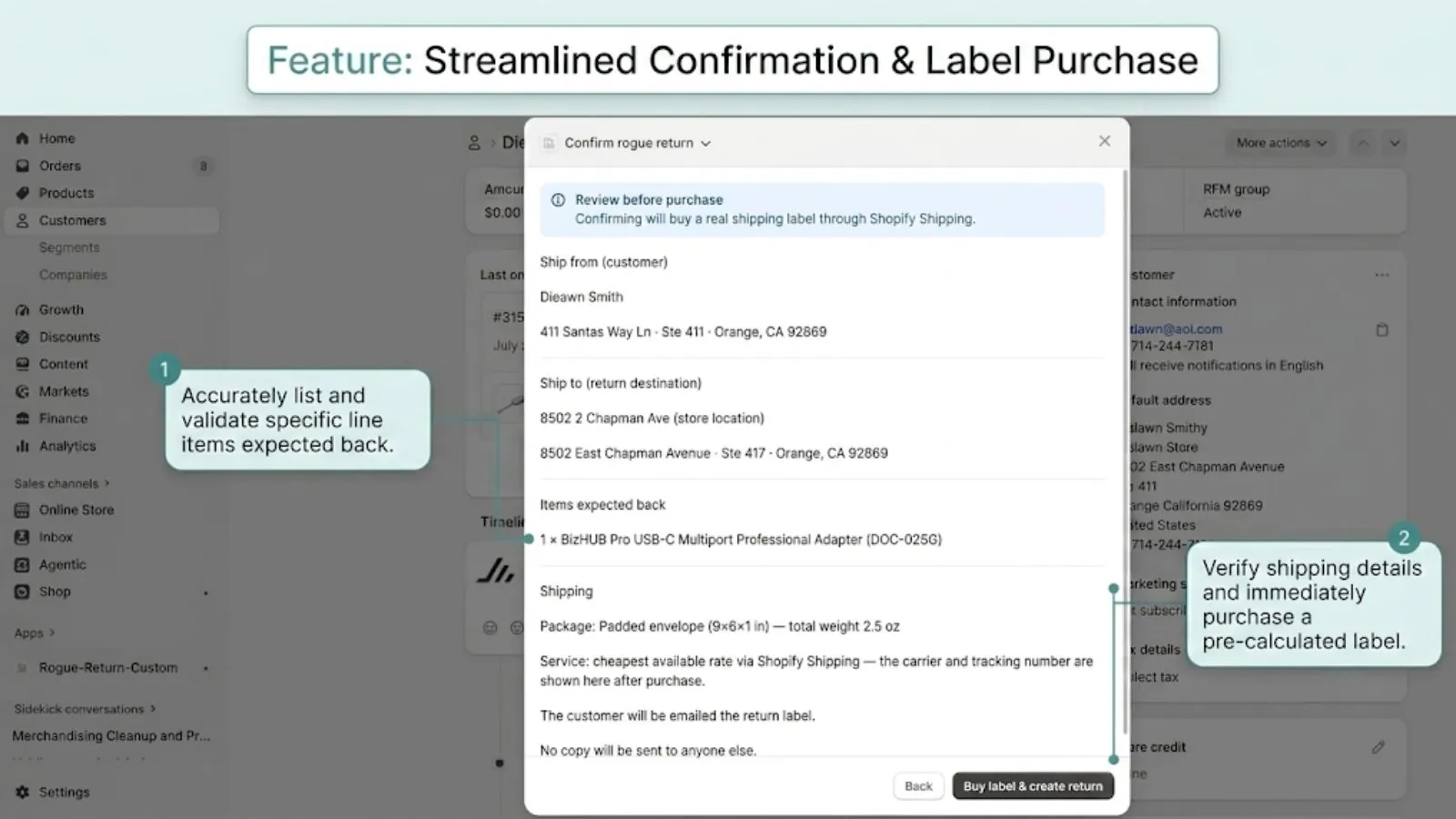
 OpenRogue ReturnShopify app for standalone return labels.
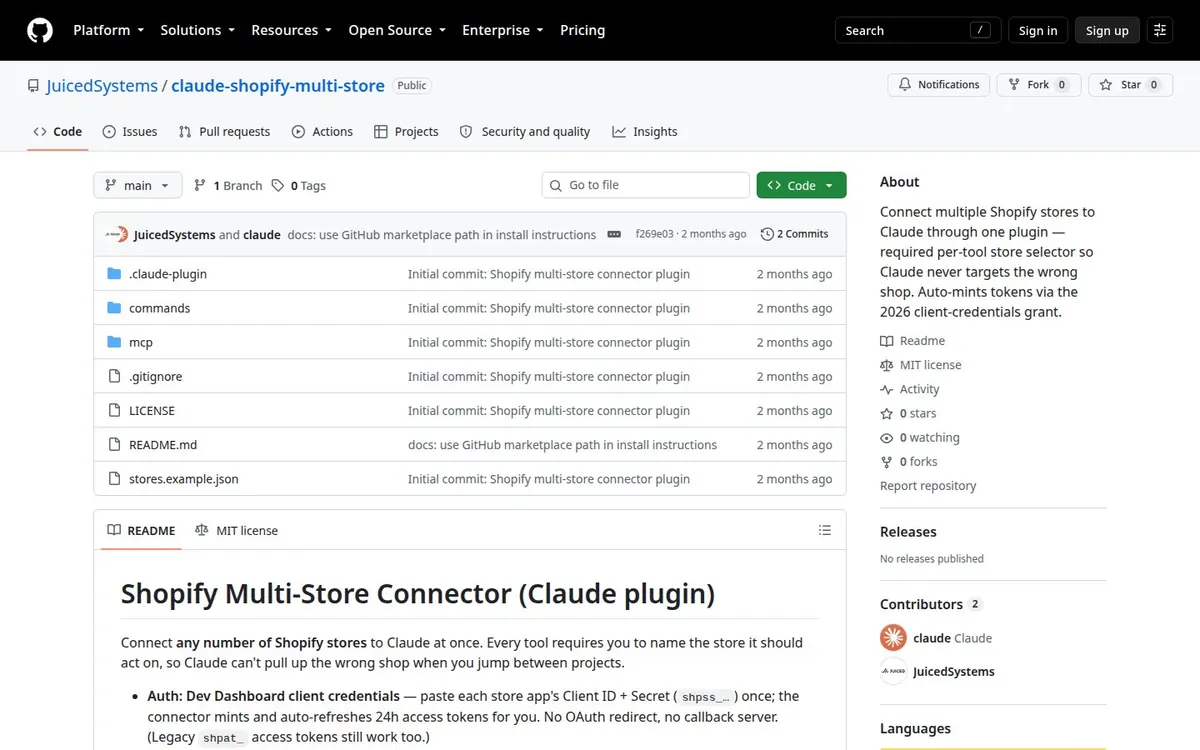
 OpenShopify Multi-Store ConnectorPublic GitHub MCP repo / Claude plugin.
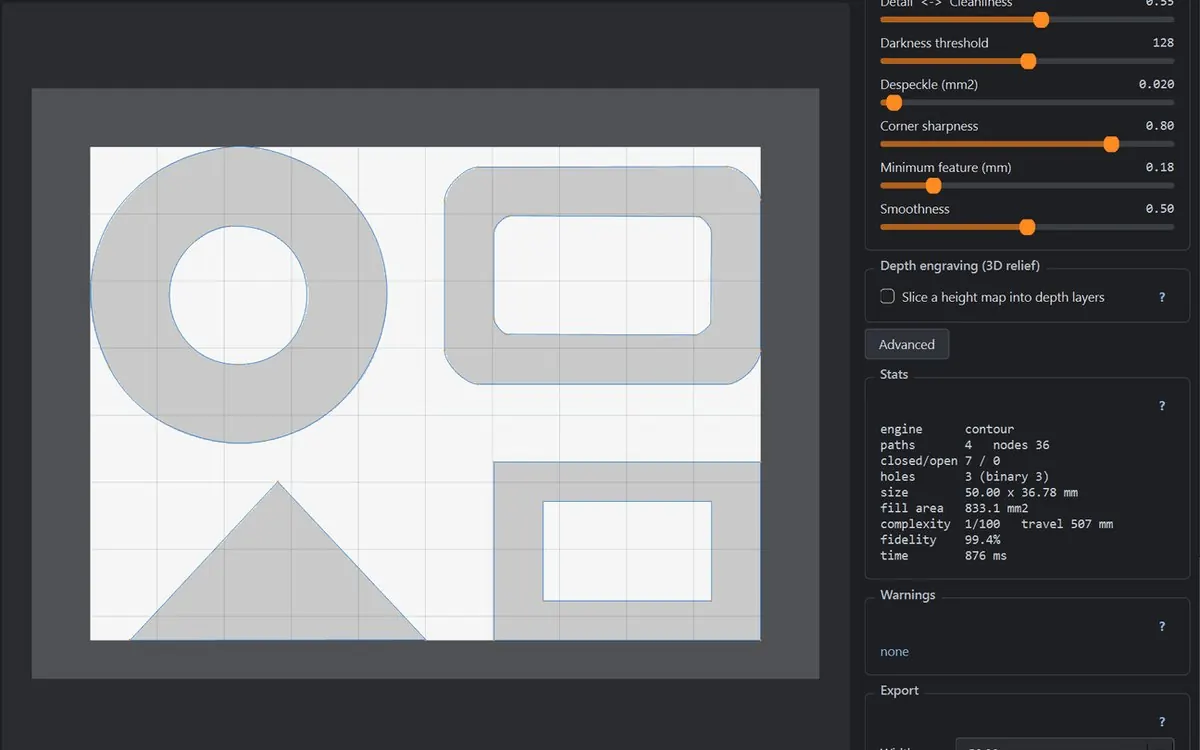
 OpenLaserTrace ProOpen-source vectorizer: paste a messy logo, get a DXF that EZCAD fills cleanly.
 Open
Open- 3 brands
- Shopify apps
- MCP
- Claude API
- Open source
Work · Open-source repo
LaserTrace Pro
A black-and-white image vectorizer for anyone who turns customer artwork into laser files all day: fiber laser marking shops, engravers, and product brands running EZCAD2/3, JCZ galvo controllers, or LightBurn. Somebody emails a JPEG of their logo. Paste it, type the finished width in millimetres, and export a DXF with closed polylines in real mm on named layers — ready to fill, with nothing double-burning.
General-purpose tracers like Illustrator Image Trace optimise for how a shape looks on screen. A laser cares about different things: 400-node “potato” circles that crawl through EZCAD import, thin strokes traced as hollow outline pairs, counters in A, O, and 8 that fill in, overlapping shapes that burn twice. LaserTrace fixes those at the geometry level — a circle in 4 nodes and bold text in 59 with every counter intact, a true centerline engine for line art and signatures, planar union of same-layer fills, and hole topology re-checked against the raster. Controls are in shop units (minimum feature in mm, despeckle in mm²), and live warnings flag what will fail on the machine before it does.
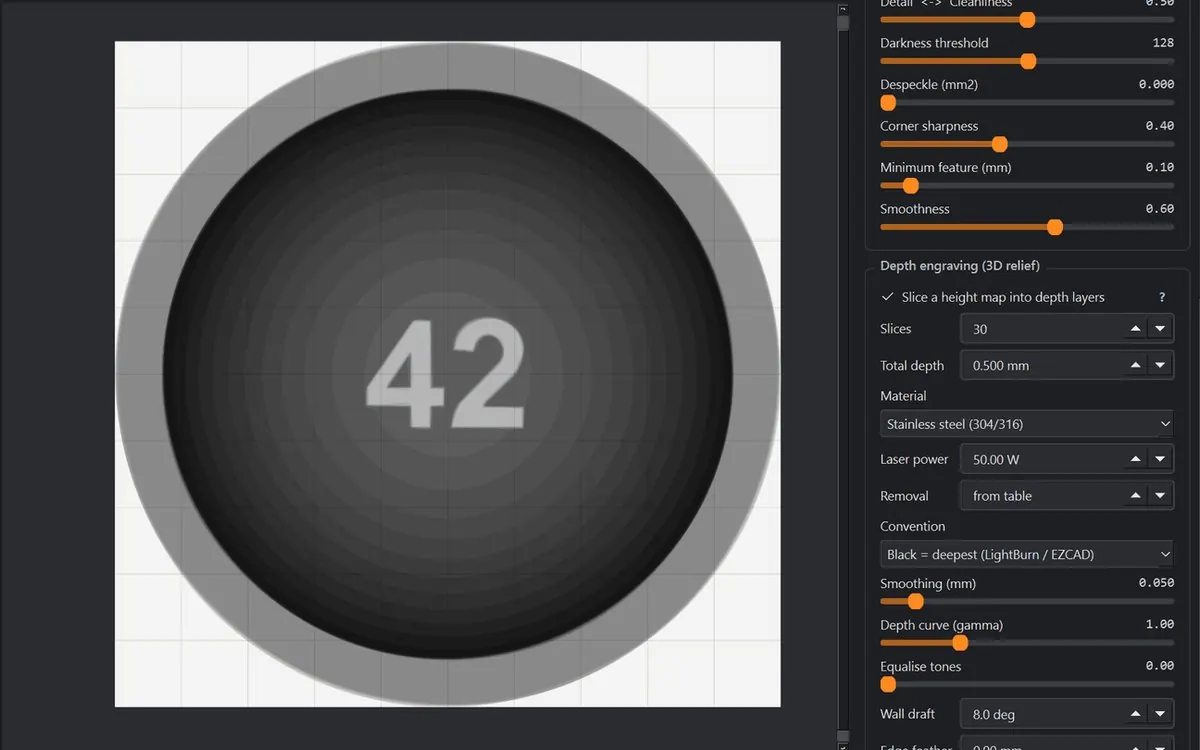
It also does real depth engraving. A height map or photo becomes a stack of cumulative slices with wall draft and a rotating hatch, plus a pass plan — Z steps and loop counts from a per-material removal table. A headless CLI and batch mode run the same pipeline over a folder of incoming jobs, and the same image and preset always produce byte-identical geometry. Quality is measured, not eyeballed: a 38-fixture regression harness and 111 tests gate every change.
What this demonstrates: tooling built from the shop floor. It encodes the same 60W MOPA fiber laser workflow behind Phoenix Putter Co. and Keg Smiths, released MIT so other shops can use it, sell with it, and send the bug reports that only a real controller produces.
- Open source
- Python
- PySide6
- DXF
- EZCAD
- LightBurn