dielawn.com
Dylan Smith
Brands · Agents · Machine shop
Move across the lattice · open a nodeTap a node to open
Node 01 · Nine projects, all live
Work
Three consumer brands I own and run, and the software built from inside them: Shopify apps, MCP servers, AI products on the Claude API, and open-source laser tooling. Nothing here is a demo. Open a project for the brief.
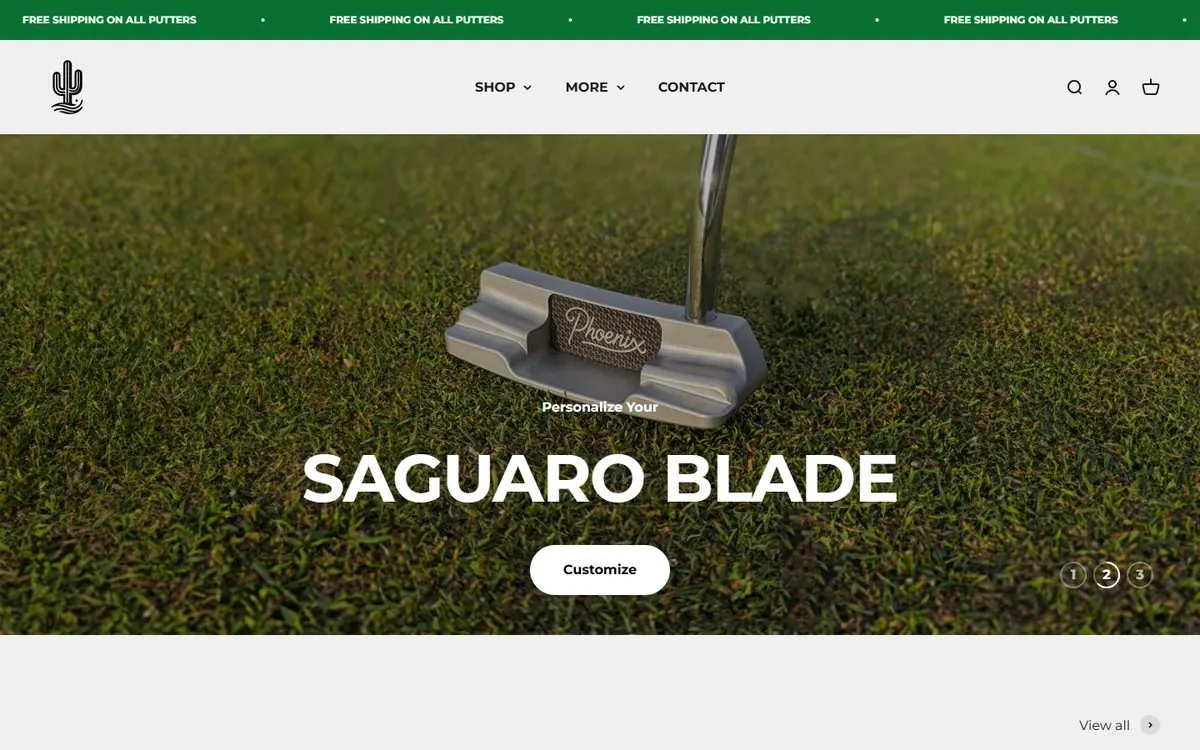
 OpenPhoenix Putter Co.Custom-milled 303 stainless putters and golf accessories, made in-house.
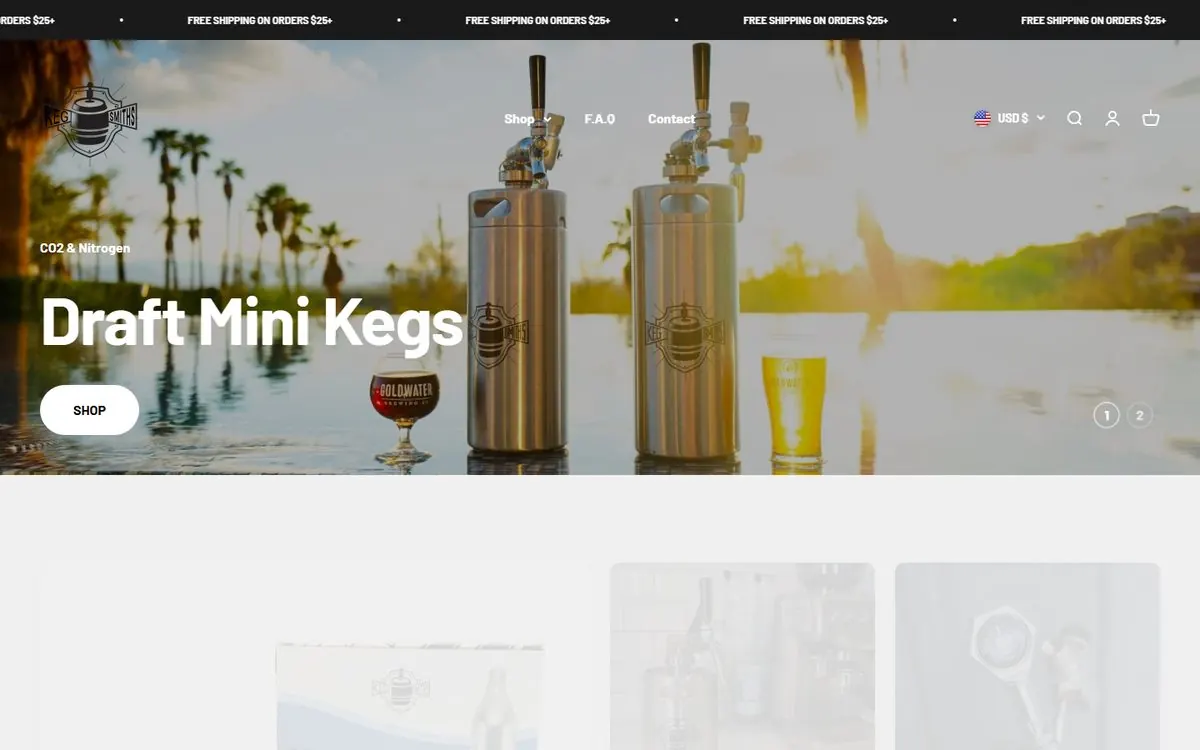
 OpenKegsmithsPortable CO2 and nitrogen draft systems. Storefront rebuilt for SEO and AI-agent readiness.
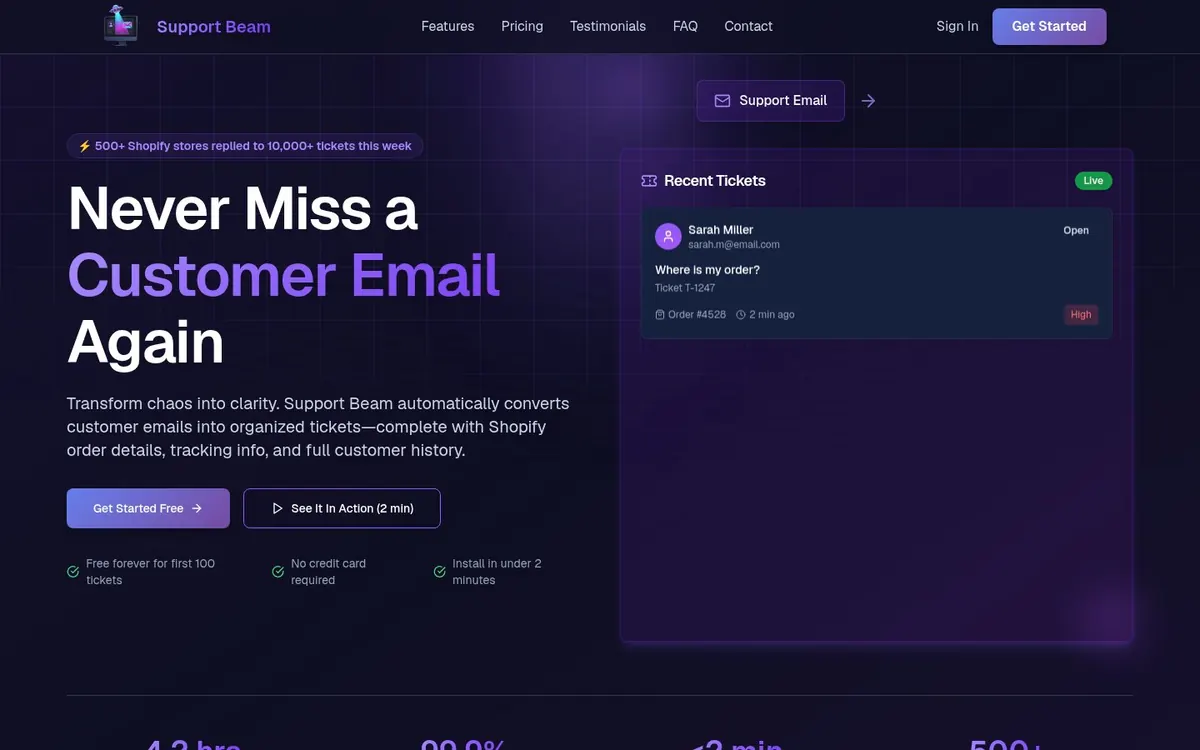
 OpenSupport BeamMulti-tenant AI support SaaS on the Claude API.
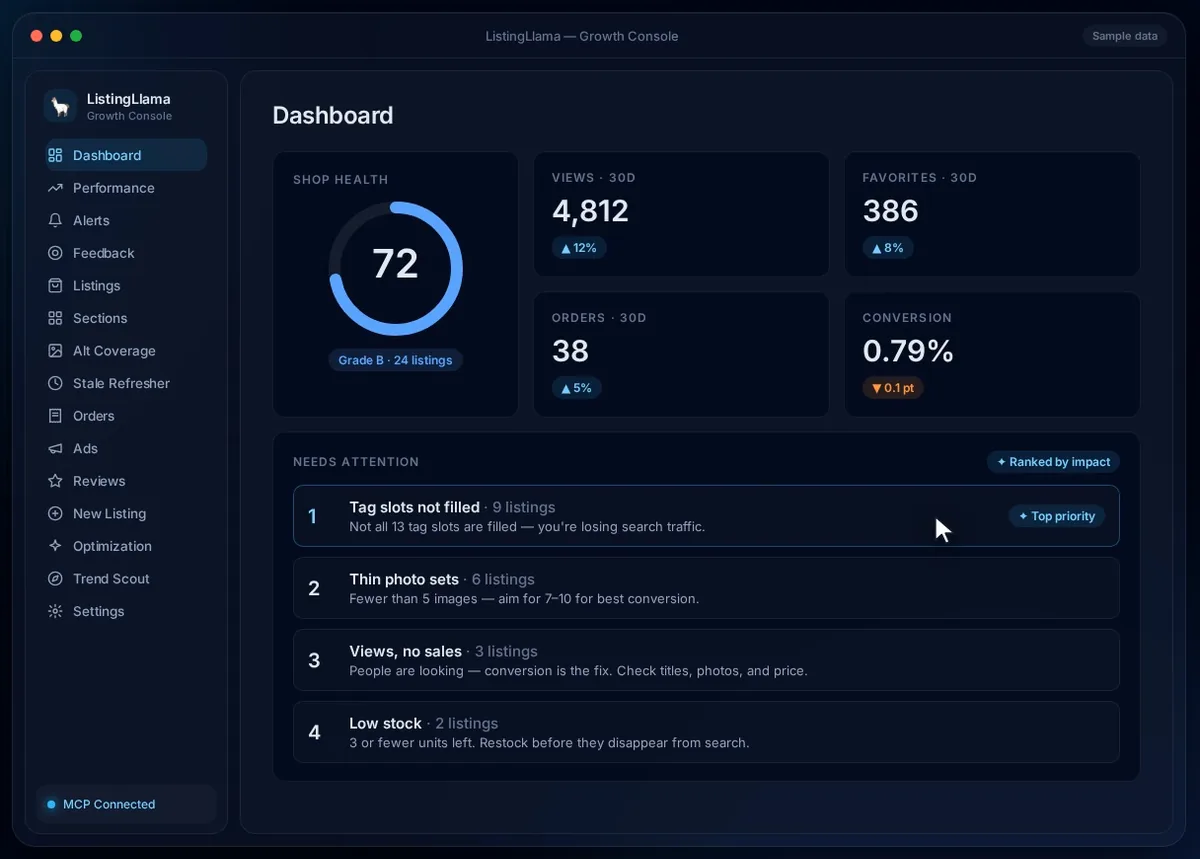
 OpenListing LlamaEtsy listing app: lifestyle images, tags, image-to-video.
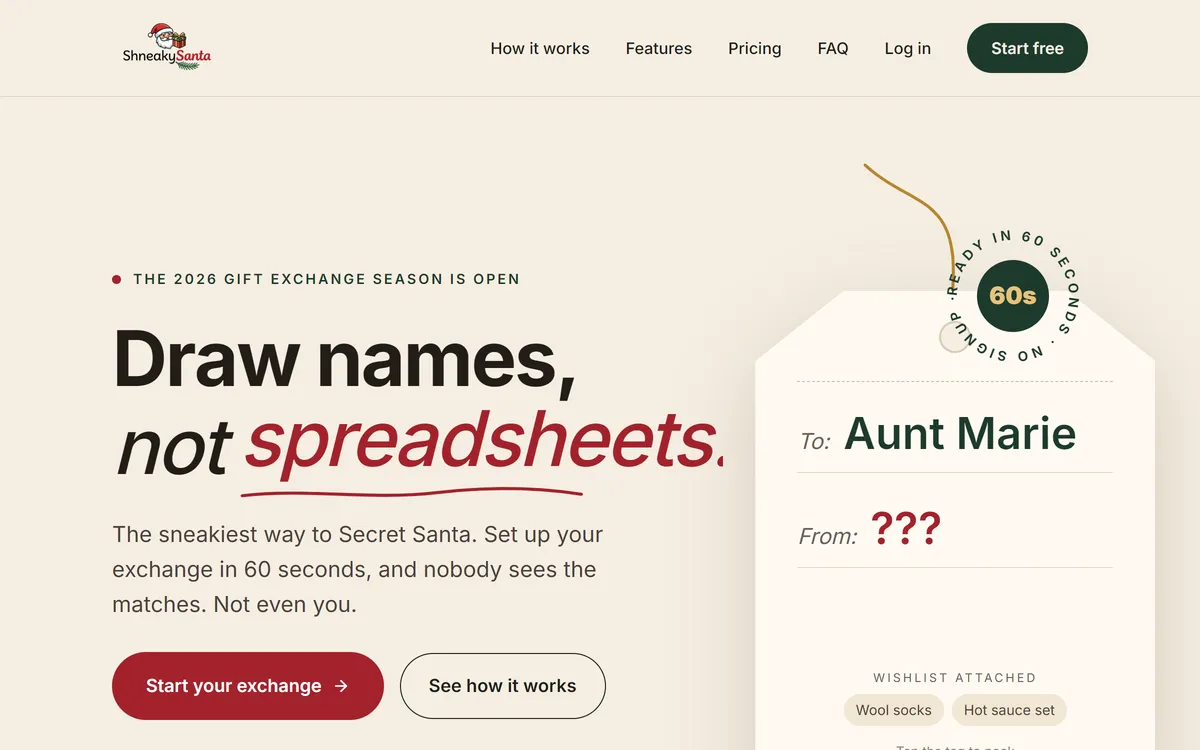
 OpenShneaky SantaLive Secret Santa app. Draw names, not spreadsheets.
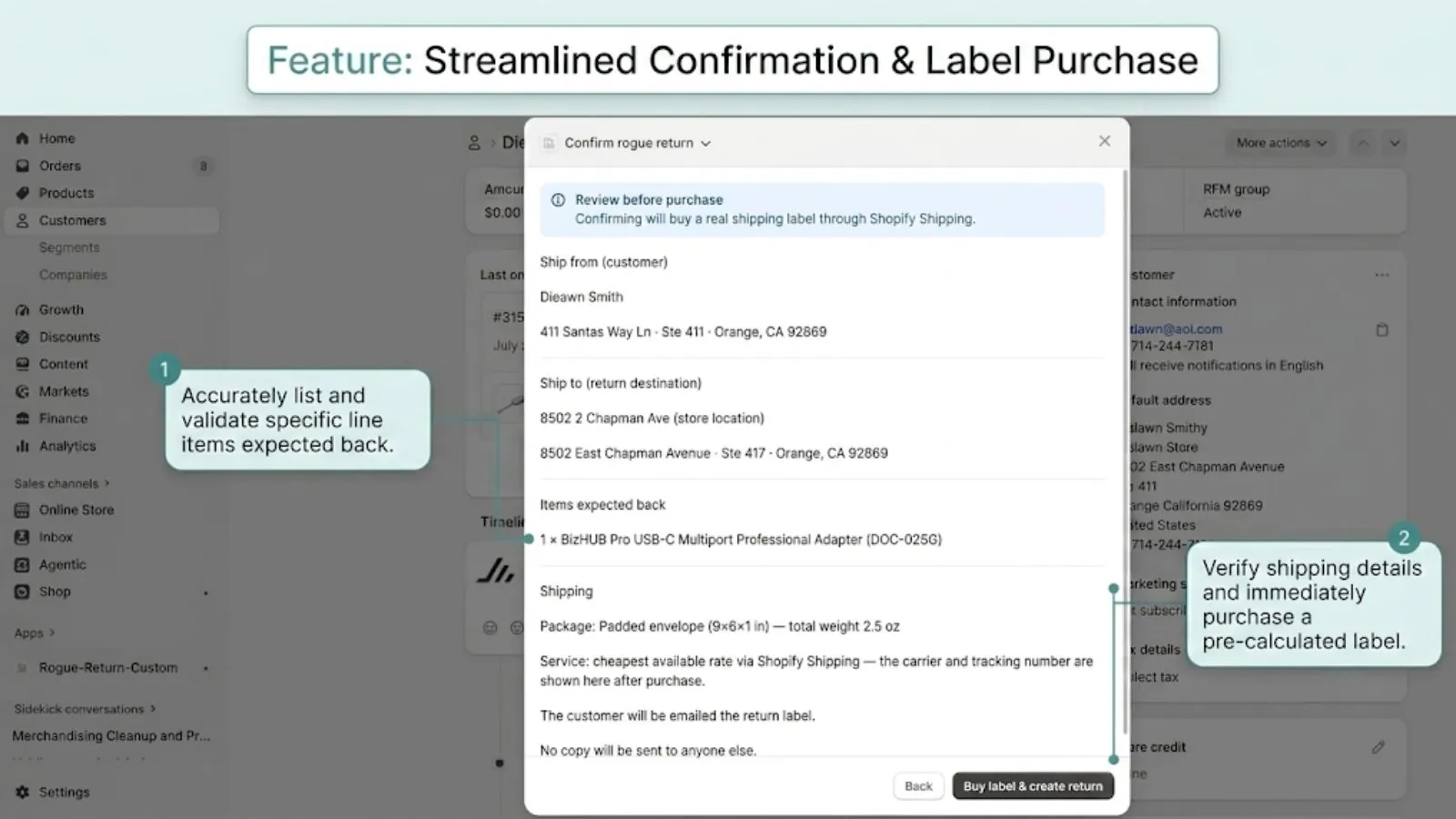
 OpenRogue ReturnShopify app for standalone return labels.
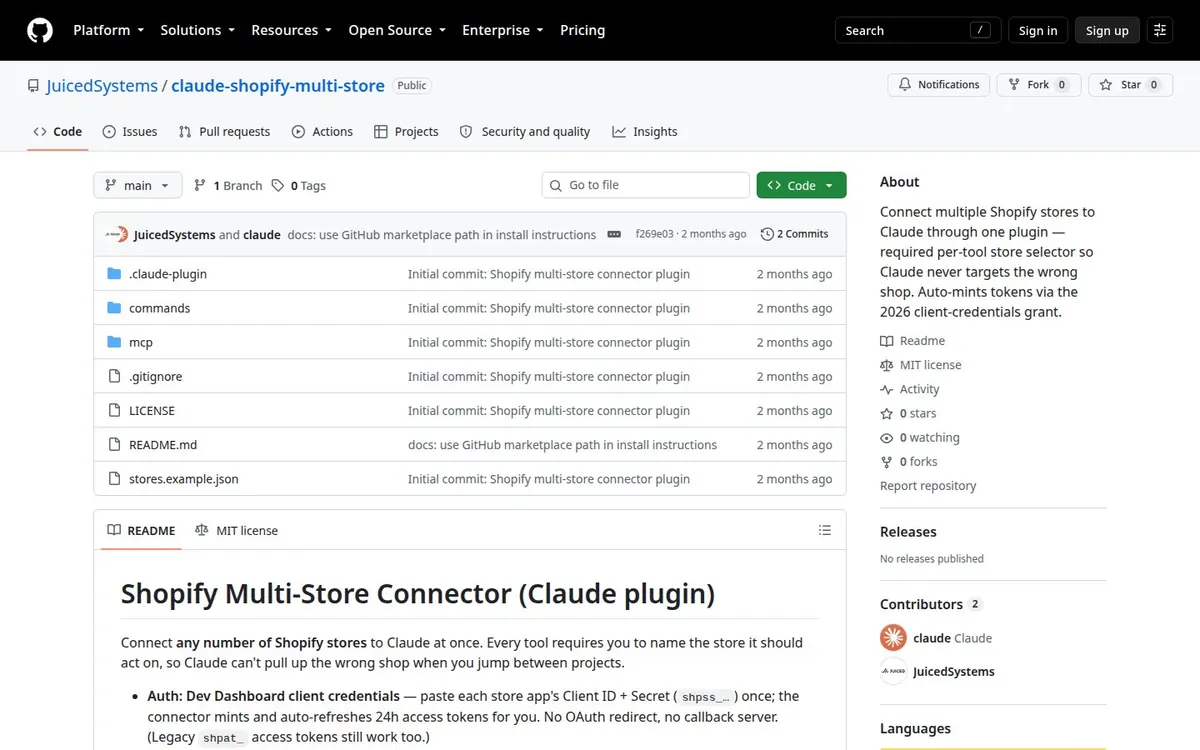
 OpenShopify Multi-Store ConnectorPublic GitHub MCP repo / Claude plugin.
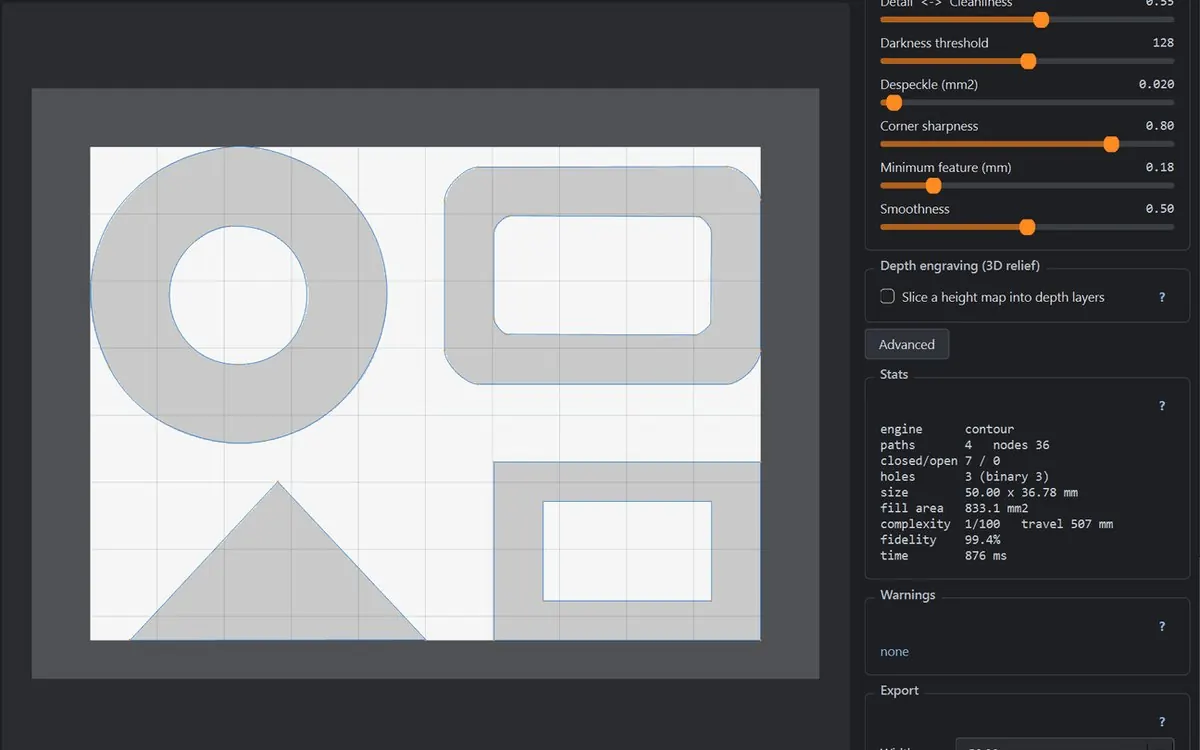
 OpenLaserTrace ProOpen-source vectorizer: paste a messy logo, get a DXF that EZCAD fills cleanly.
 Open
Open- 3 brands
- Shopify apps
- MCP
- Claude API
- Open source
Work · Storefront
Kegsmiths
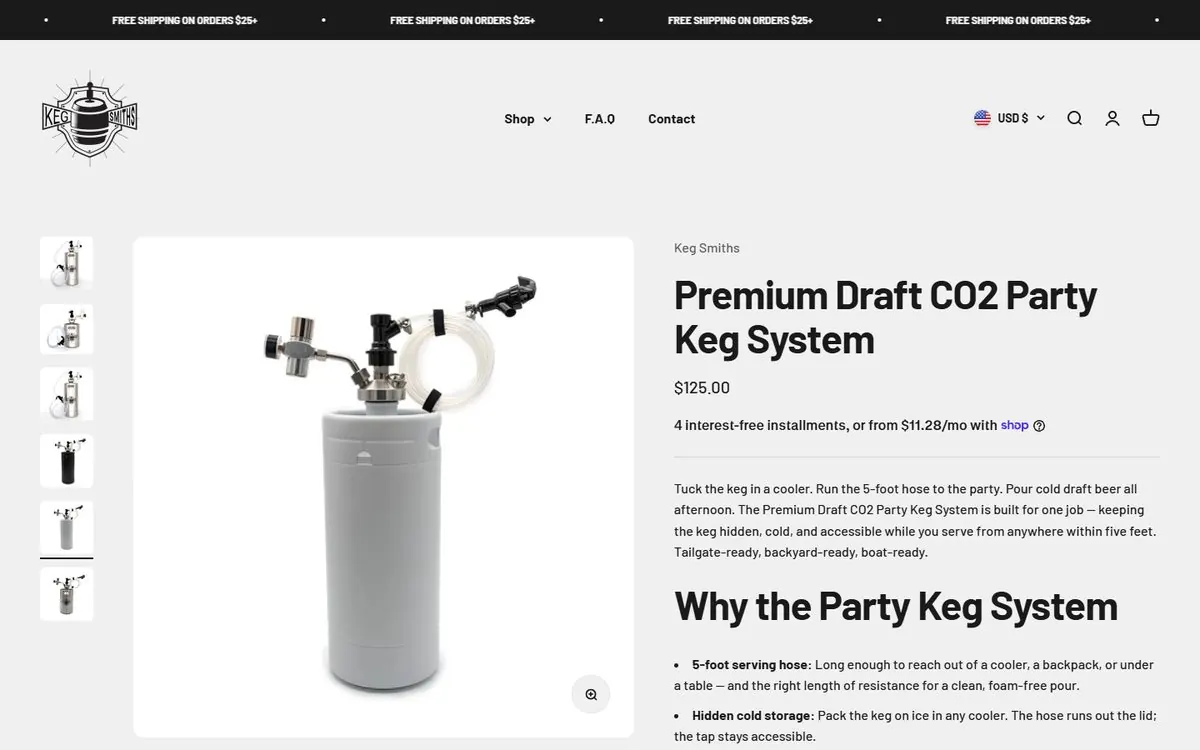
Keg Smiths makes portable draft systems: 128 oz 304 stainless mini kegs pressurized by threaded CO2 or nitrogen cartridges, with regulators, faucets, party taps, and every replacement part stocked. Homebrewers, cold brew and kombucha makers, tailgaters, and boat owners buy them to pour draft anywhere a cooler fits. The Premium Draft Party Keg System is the flagship; custom laser-engraved tap handles and kegs — cut on the same fiber laser that runs Phoenix Putter Co. — round out the catalog.
Behind the storefront, Keg Smiths is the brand where I've done my deepest work on how e-commerce gets found. I rebuilt the site around technical SEO and AI-agent readiness: structured data, indexation control, internal linking, and product content written so that LLM-driven search can read it, compare it, and act on it. Most specialty catalogs are written for humans who already know the part names. This one also has to survive an agent trying to shop it — resolve "the regulator for the nitrogen setup" to a SKU, confirm compatibility, and add it to a cart without a human decoding the taxonomy. The auditing tooling I built to test that, an MCP server that crawls a storefront the way an agent would and reports what it can't parse, came directly out of this work.
What this demonstrates: I treat a storefront as a system with two customers, the person and the agent buying on their behalf, and I build the catalog architecture and the tooling to serve both.
- Shopify
- Technical SEO
- GEO
- Draft systems